Showing posts with label birds. Show all posts

Tuesday, May 3, 2011

birds of La Estancia de Cafayate

Venellus chilensis, Southern Lapwing, Tero Común

Athene cunicularia, Burrowing Owl, Lechucita Vizcachera

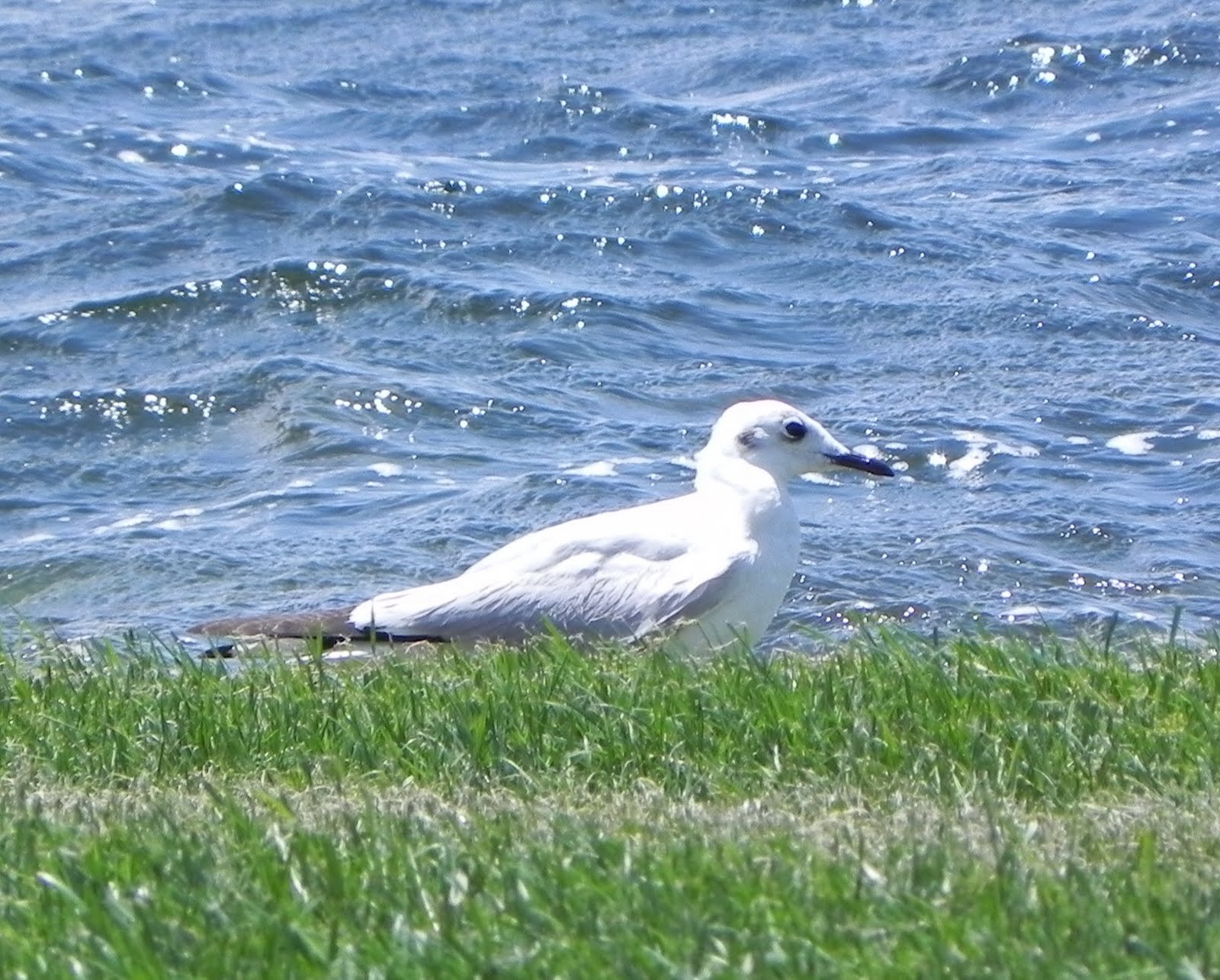
Larus serranus, Andean Gull, Gaviota Andina

Pitangus sulphuratus: Great Kiskadee, Benteveo Común

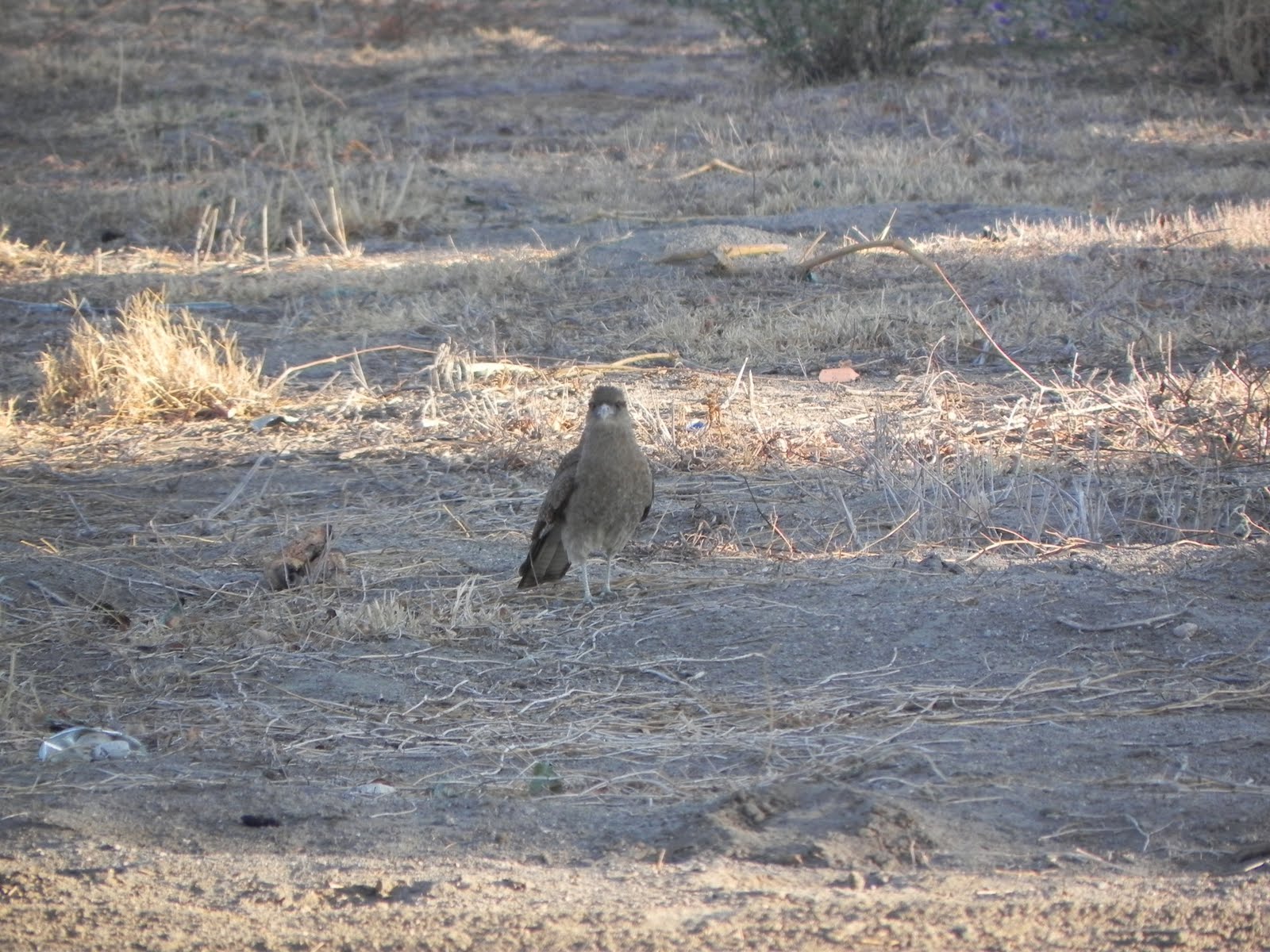
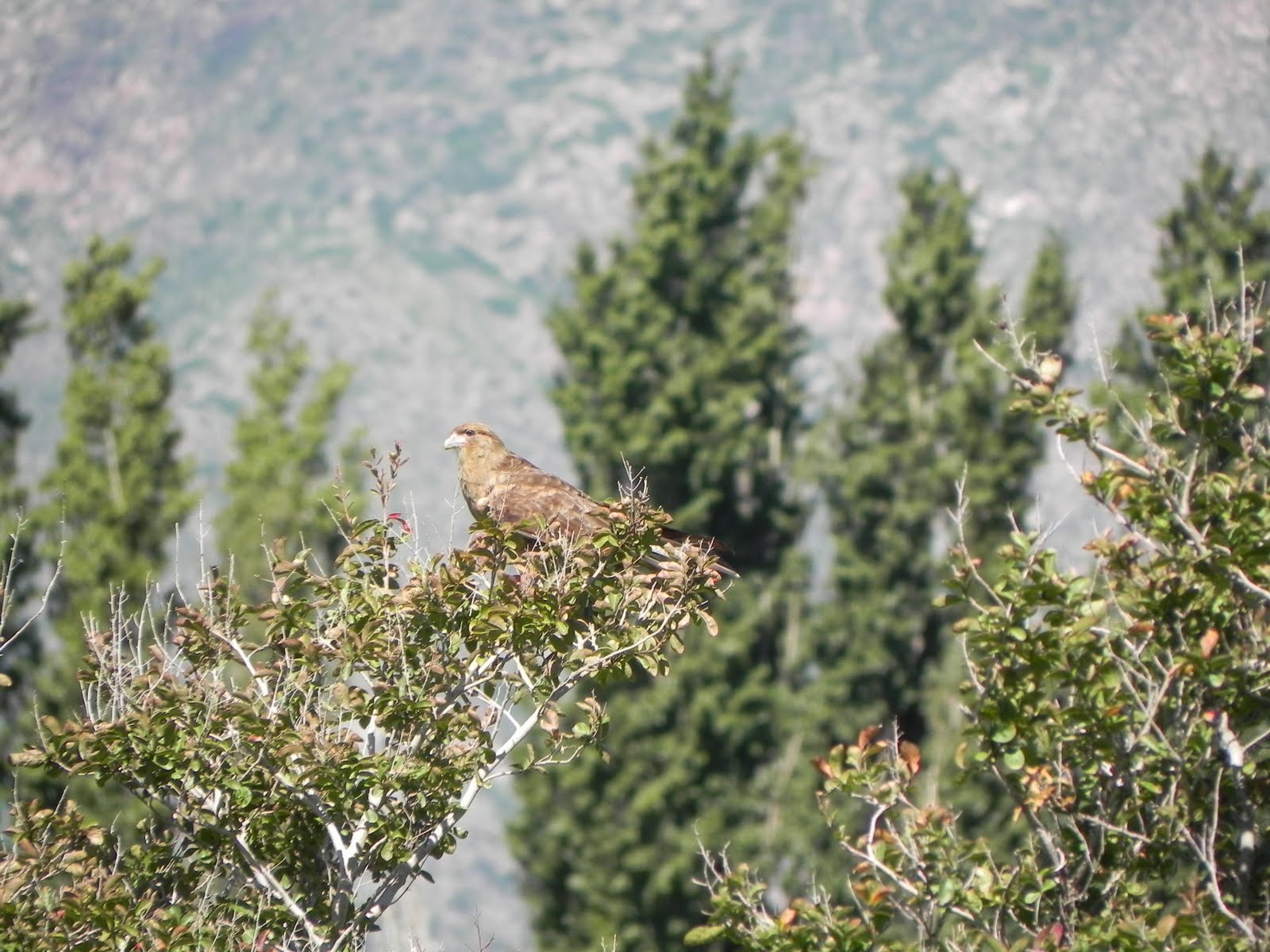
Caracara plancus, Southern Crested-Caracara, Carancho

Milvago chimango, Chimango Caracara, Chimango

Zonotrichia capensis, Rufous-Collared Sparrow, Chingolo

Furnarius rufus, Rufous Hornero, Hornero

Jacana jacana, Wattled Jacana, Jacana

Tachybaptus dominicus, Least Grebe, Macá Gris

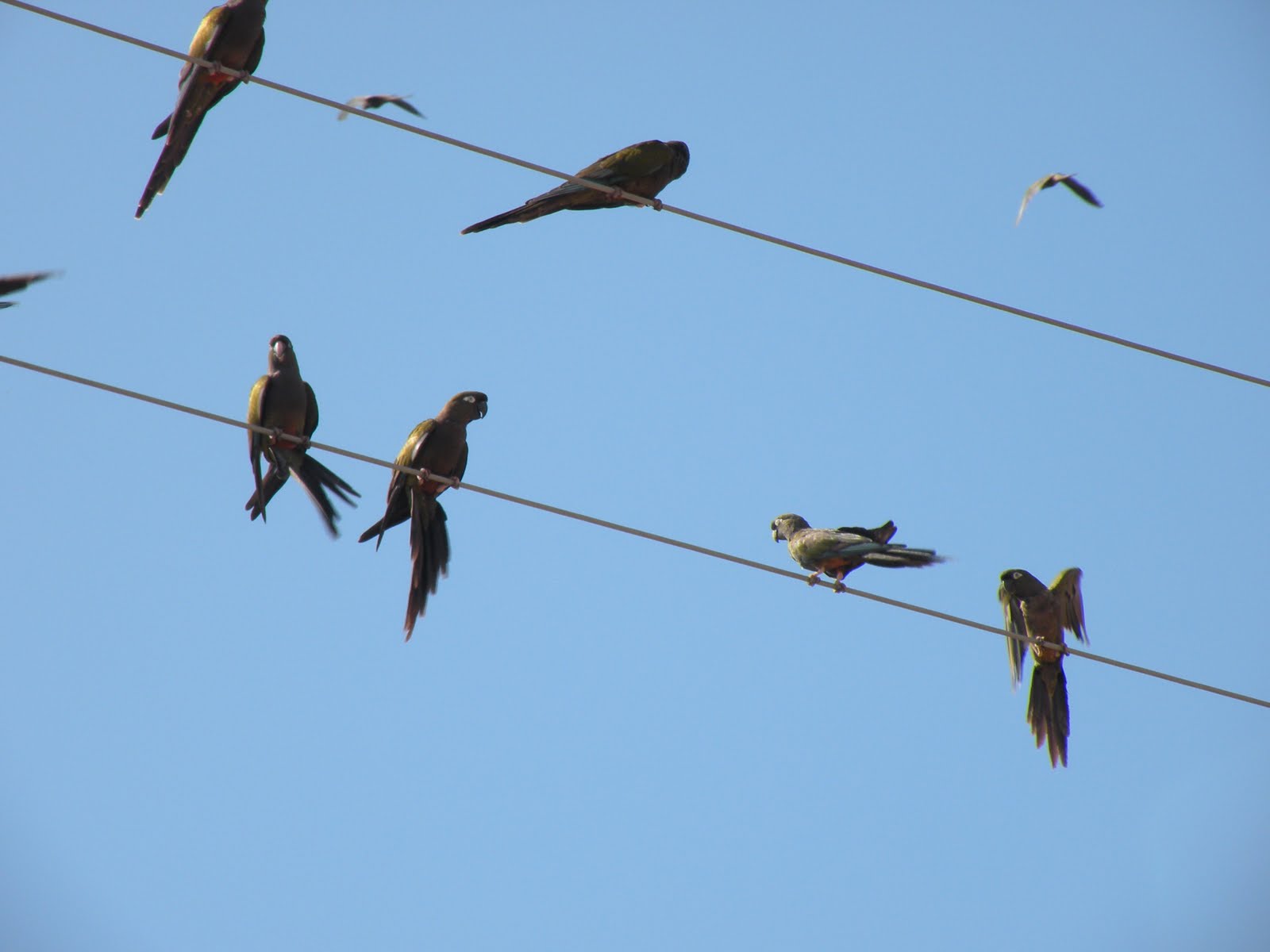
loros -- don't know which species

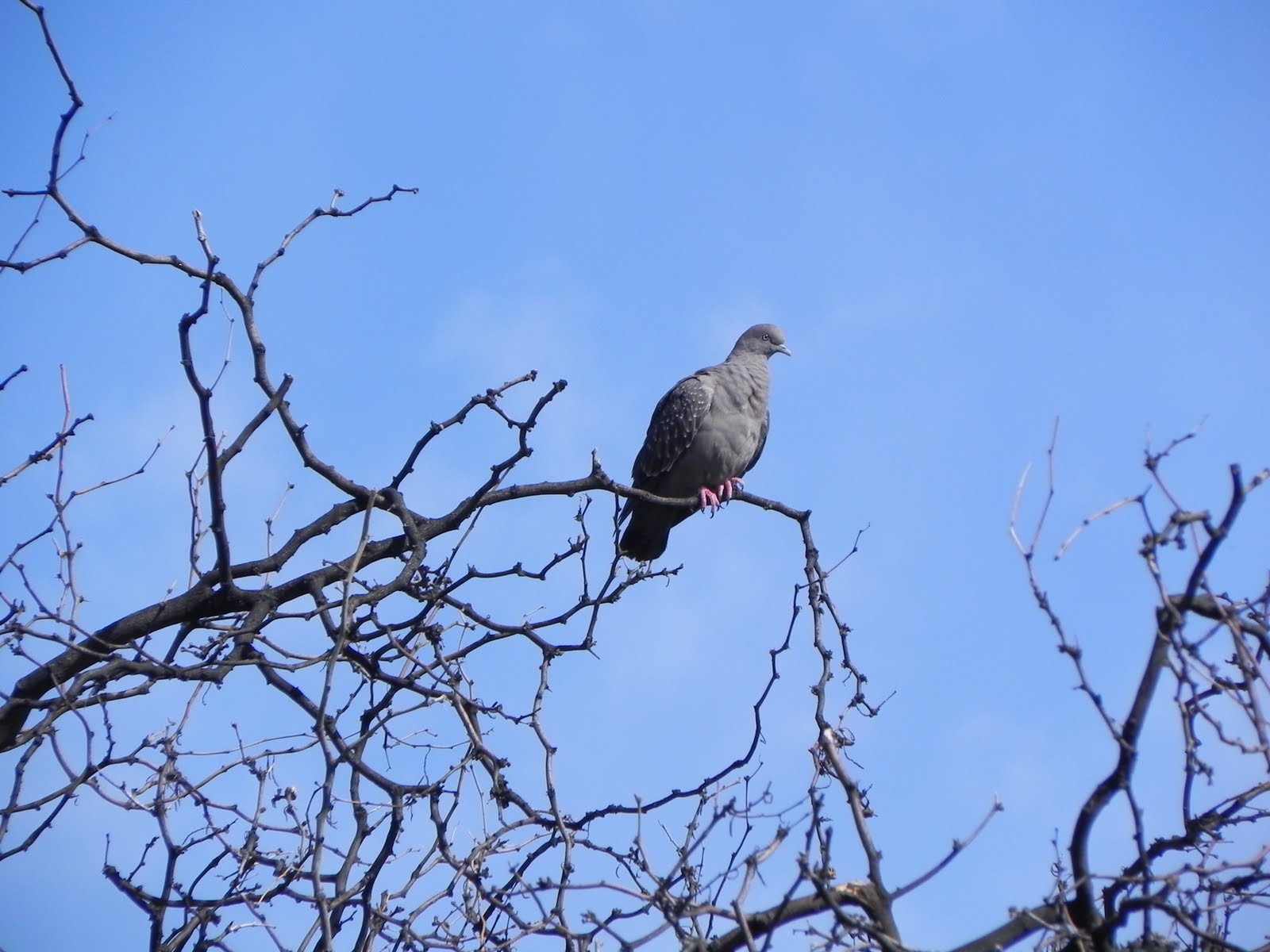
Patagioenas maculosa, Spot-winged Pigeon, Paloma Manchada

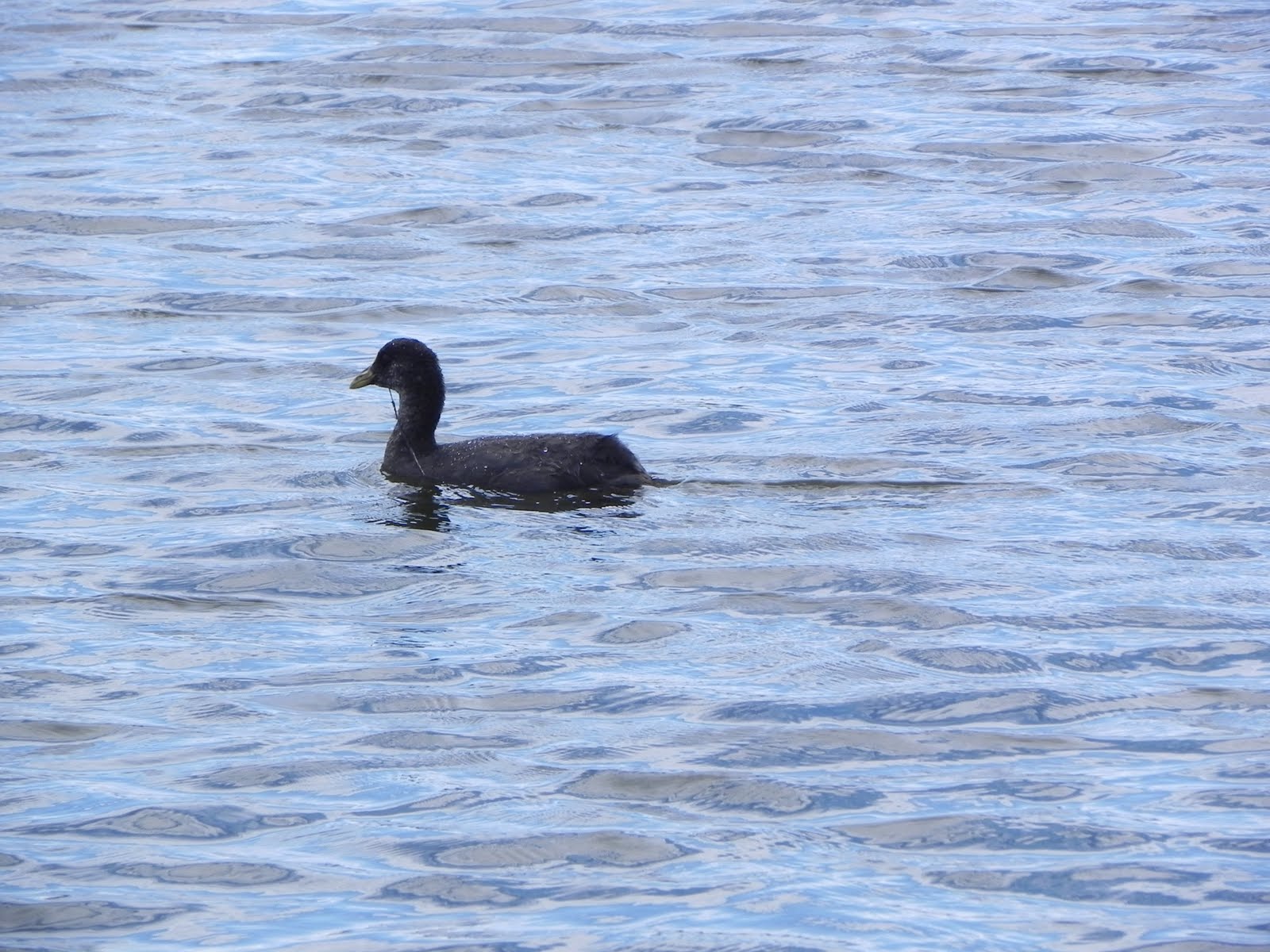
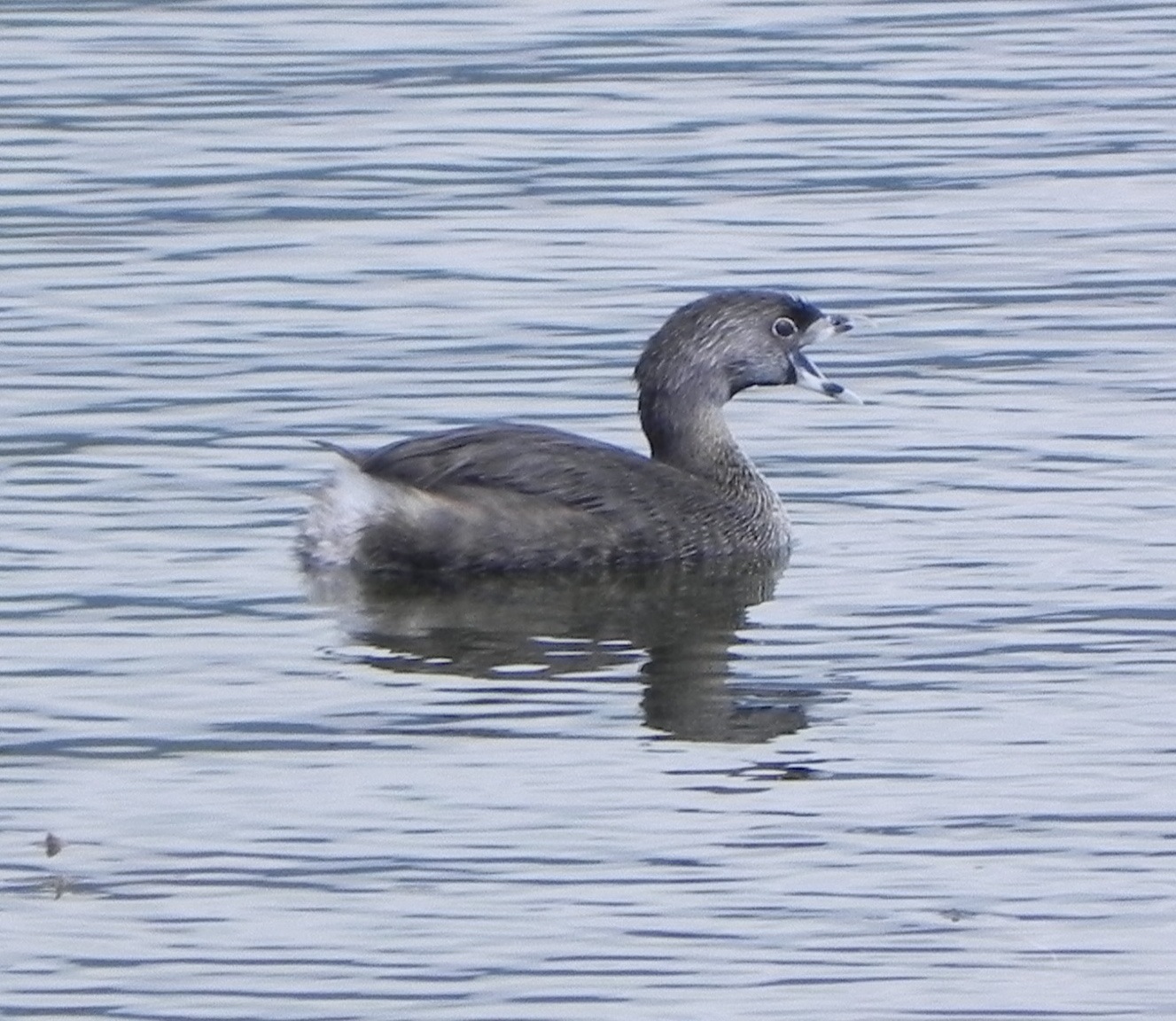
Podilymbus podiceps, Pied-billed Grebe, Macá Pico Grueso

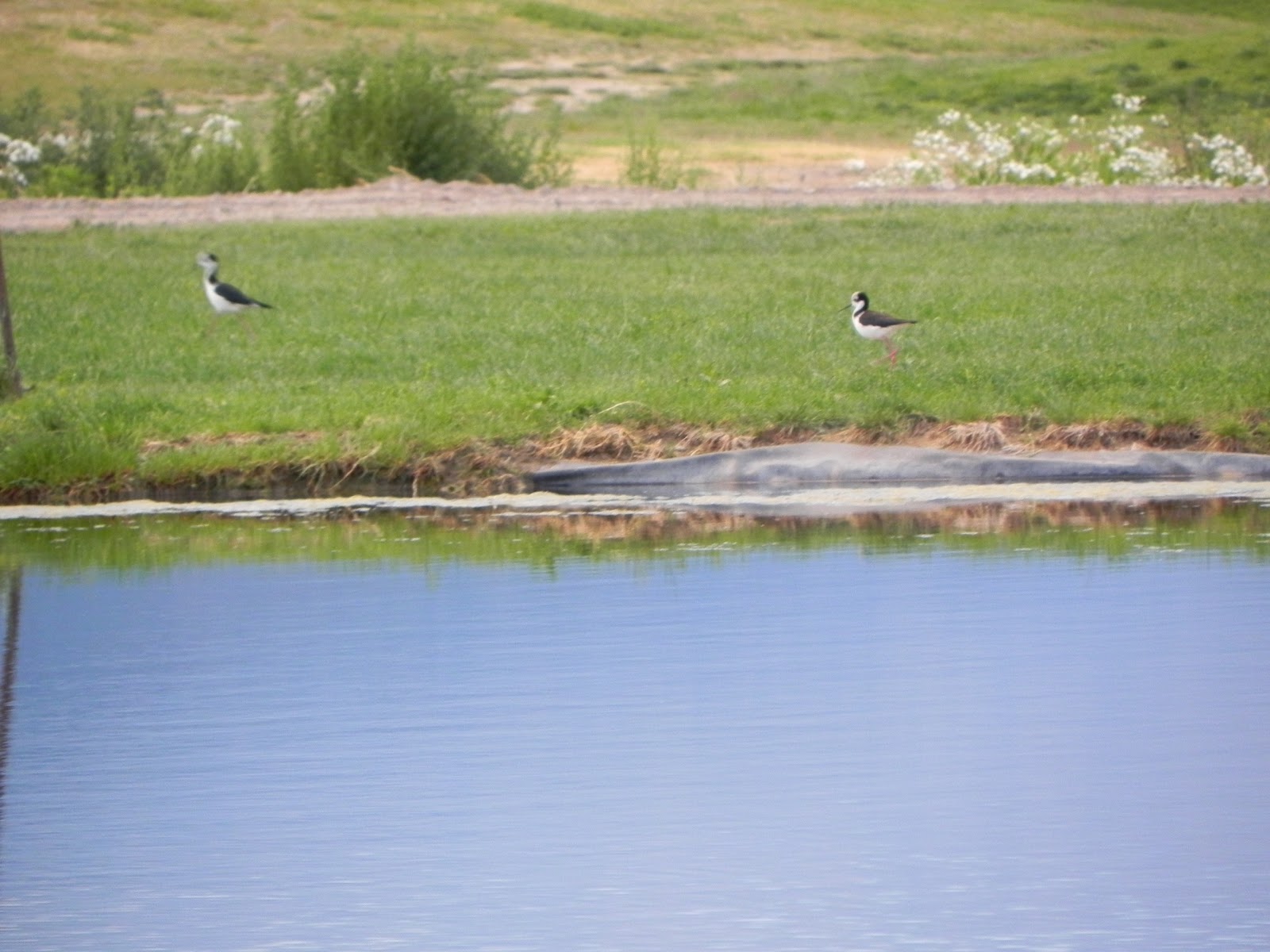
Himantopus melanurus, South American Stilt, Tero-real

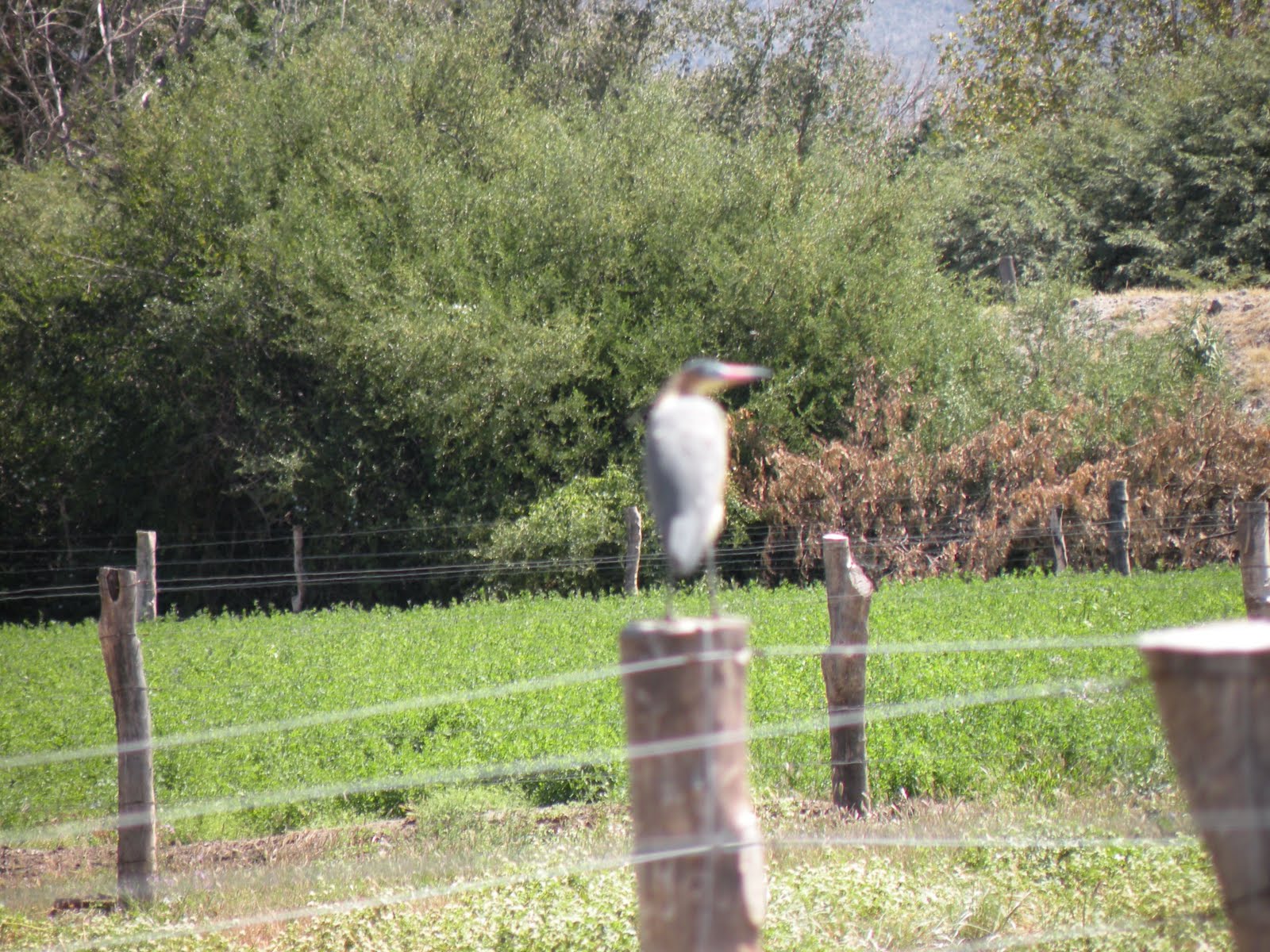
Syrigma sibilatrix, Whistling Heron, Chiflón

Ardea alba, Great Egret, Garza Blanca

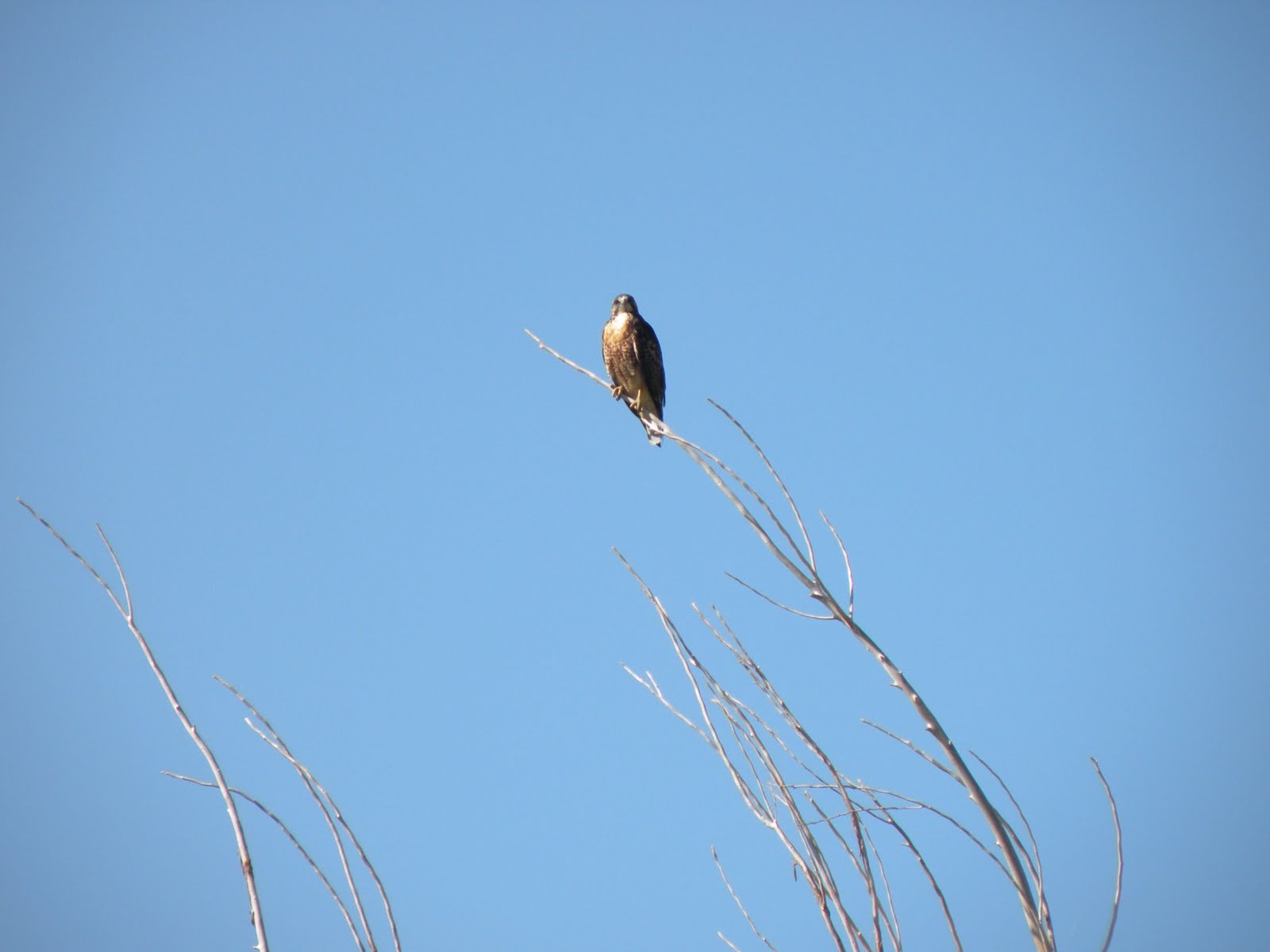
Falco peregrinus, Peregrine Falcon, Halcón Peregrino

Friday, April 22, 2011

birding in Tierra del Fuego

Alec Earnshaw

Alec Earnshaw recently traveled to Tierra del Fuego to enjoy the autumn leaves, the landscape, the birds, & more, including a castor (beaver). Enjoy his trip report & photos here.

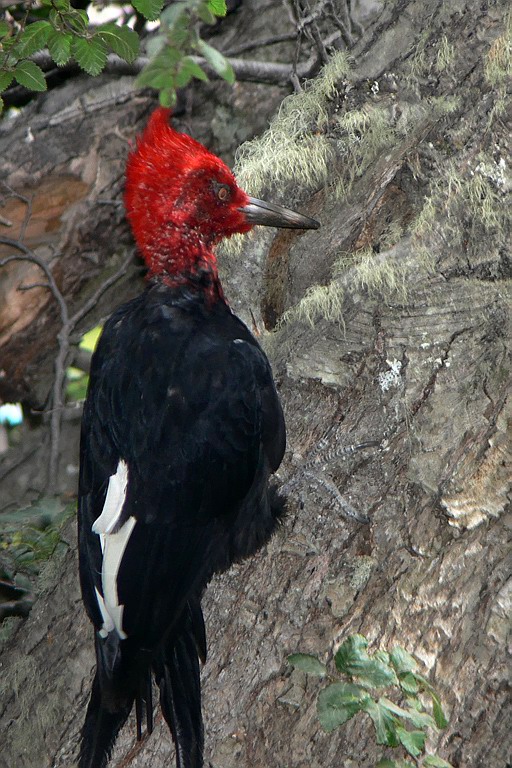
Magellanic woodpecker


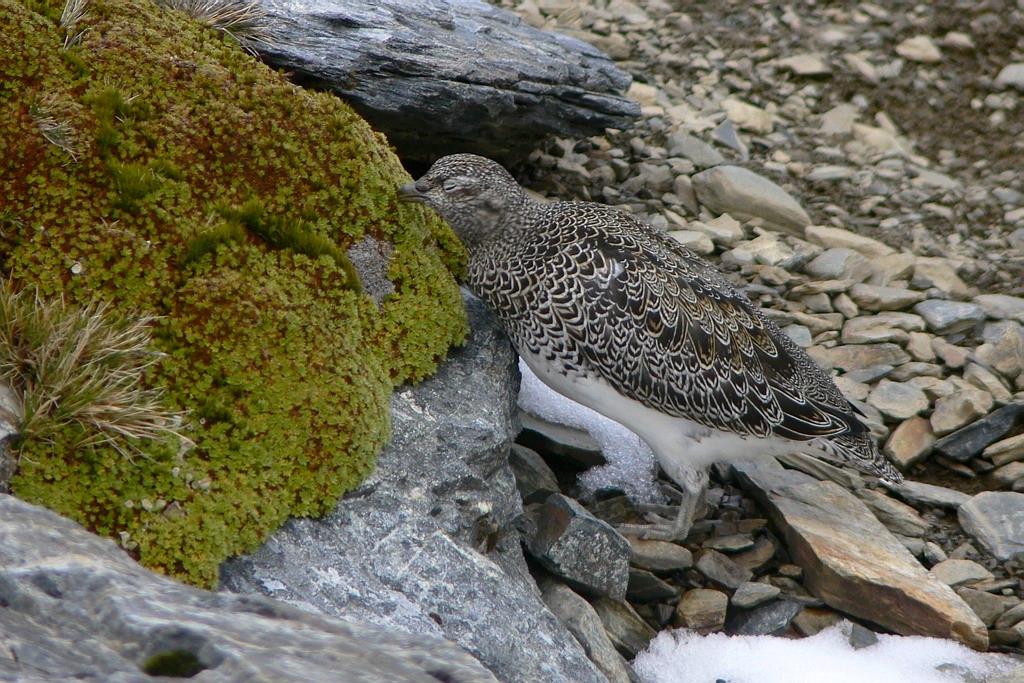
white-bellied seedsnipe

Wednesday, April 13, 2011

Falkland skua crash

[from MercoPress, 7 April 2011]

Falklands’ skua population has declined by almost half in 5 years

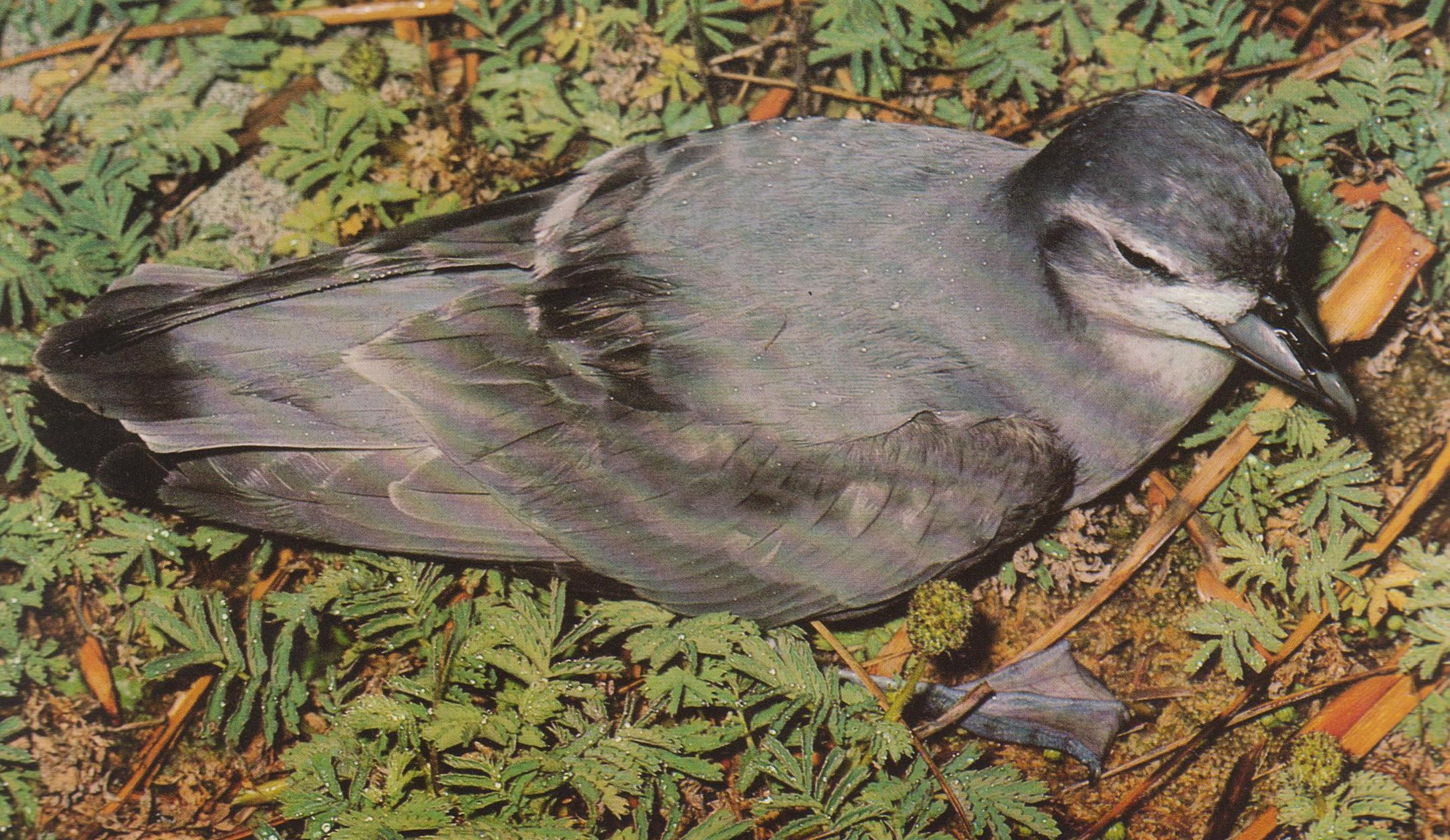
Falkland skua

The number of Falkland Islands skua has declined by almost half in just five years, a survey of the bird's largest breeding ground reveals. It is unclear why the population has crashed on New Island, on the west of the Falkland Islands.

Something appears to be limiting the birds' ability to reproduce, say scientists.

That raises questions over the health of the wider marine environment in the south-west Atlantic Ocean. Skuas are gull-like birds that nest on the ground, with species living from the Arctic to Antarctica.

The Falkland skua is a subspecies of the brown skua.

brown skua

“Although brown skuas have been the subject of many studies, virtually nothing has been done on the Falklands subspecies,” Dr Paulo Catry of the Museum of Natural History in Lisbon, Portugal, told BBC News.

So he and colleagues from Portugal and the UK conducted two surveys, five years apart, of the largest population of Falkland skuas, which nest on New Island.

The results have been published in the journal Polar Biology.

“Falkland skuas are really tame and do not hide their nests, which are placed in the open ground, which made the censuses quite easy, even if labour intensive for the amount of ground that needed to be covered.

”Birds are so tame that many individuals will remain sitting on the eggs even if you approach and touch them,“ he said.

Overall, the number of Falkland skua territories on New Island suffered a reduction of 47.5% in the five years between the two surveys, conducted in 2004 and 2009, which equates to a decline of 12.1% per year.

”Given this is the largest known colony for the species, currently with 333 pairs, this decline should obviously raise some concerns.

“In fact, long-lived seabirds like skuas usually change their numbers slowly and this situation cannot be considered as 'normal'.”

The reason for the crash is not clear, and just a few thousand pairs of Falkland skuas now remain worldwide, living on the Islands and a few along the coast of Argentina.

“We were very surprised that the decline in numbers was so fast, particularly considering that other seabirds on New Island seem to have been doing quite well over the same past five to six years,” he told the BBC.

Brown skuas generally enjoy a high breeding success, with each pair raising a chick a year on average.

But Falkland skuas are today producing just 0.28 chicks on average per pair each year.

Falkland skua nest & chick

Large skuas, and Falkland skuas in particular, rarely start nesting before they are six years old.

Usually, immature skuas gather at specific sites, known as “clubs”, on the nesting islands in the years before they start breeding. In large colonies, hundreds of birds gather in these clubs. But Dr Catry's team has never managed to locate any club site at New Island.

It remains unclear whether this decline in reproductive success has been accompanied by a rise in the number of deaths of adult skuas.

“This decline seems to be linked to an abnormally low reproductive output, the causes of which are still to be identified,” said Dr Catry. “We are currently working on these questions. They are important not only for the sake of Falkland skuas, but more generally, for the marine environment of the Falkland Islands.”

One possibility is that the Falkland skua is suffering at the hands of a competitor.

thin-billed prion (Pachyptila belcheri)

Falkland skuas prey on a smaller bird, the thin-billed prion, and its eggs; but so too does another prion predator, the striated caracara, a falcon-like bird of prey.

The caracara's population has grown 15% a year in recent years, producing 2.5 chicks per nest per year, on average.

striated caracara (Phalcoboenus australis)

However, the Falkland skua's demise may be linked to wider problems.

“Falkland skuas are top predators of marine ecosystems. They will take fish, squid, crustaceans, and they are also important predators of other seabirds,” said Dr Catry. “If something is not well with them, it may mean that something is not well with the rich Patagonian shelf ecosystem.

”Many Falkland Island seabirds have known important declines over the past decades. We need to learn more about what is driving these changes, and skuas may help us with that”.

Tuesday, March 1, 2011

first days

At dusk on our second night at La Estancia, we drive down the main road past the Heath Club. As we cross a patch of wet road, a flight of Whistling Herons rises before us. I’ve never seen this bird except in Argentina.

Syrigma sibilatrix, Chiflón, Whistling Heron

§

¿Donde está la farmacía? Where is the pharmacy?
Around the corner, the woman says, one half block plus a quarter.
To the left? I say.
Si. She nods & grips my upper arm. Where are you from?
The United States.
Have a wonderful visit.
Smiles & smiles.

§

I ask the young pharmacist for Suphedrin, & he brings me a box of 10 tablets. I tell him that my husband has had a fever for three days, that he is coughing badly. The pharmacist goes to the back & brings out Refrianex Compuesto, a cold remedy containing paracetamol for fever, ephedrine for congestion, chlorpheniramine for allergy, & bromhexine hydrochloride for coughing. Even though I don’t recognize 2 out of the 4 ingredients, I agree to try it instead of the Suphedrin. When I ask for Mentholatum, he brings me Otrivina, an Argentine equivalent. 70 pesos.

§

At la pulpería, which is what general stores, country stores, have been called for three or four centuries in Argentina, the owner breaks away from the circle of old men drinking beer & mate to ask how he can help me. Fruta seca, dried fruit, I say. We go back & forth in Spanish until I understand to say higo for fig. He walks between barrels to a countertop covered with dried fruit in plastic bags. He offers me a fig, which is delicious. I decide to buy 200 grams of dried figs & 4 dried whole peaches. Later the peaches prove to be magnificent.

As we turn back to the main counter, he says what else, & I choose a bottle of the excellent Burra Roja beer from San Carlos & a half dozen eggs. Bastante, I say. ¿No mas? he says. He adds it up, 43 pesos, & when I see the sum on his notepad, I say cuarenta tres. He congratulates me on my eyesight, explains that blue eyes mean good eyesight, & recites a longish poem in Spanish about blue eyes. I understand some, not all of it, smile with delight. Un poeta, I say. He assumes a small proud smile.

On my way out he escorts me, points to a bag of dark plant material that he says is good for cough. I explain that my husband is sick with a cold & that he has been coughing for many years. My new friend turns back behind the main counter, reaches up, & pulls down a dark brown bottle labeled Arrope de Chañar. He points to a large plastic bag full of small round orange fruits: chañar, 1 kilo for 5 pesos. I decline the kilo but accept the 12 peso bottle of fruit syrup. 1-2 teaspoons in warm water 3-4 times a day. I suspect this remedy will work better than what I bought at the pharmacy.

§

Back home, I strip last night’s roasted chicken from the carcass & drop the bones into a soup pot with an onion, salt, peppercorns, & plenty of water. I don’t have any herbs. The bones boil for 2-3 hours, fill the house with the wonderful smell of chicken stock. Later I strain the stock, let it cool, remove most of the chicken fat, add fresh onion & fresh vegetables from Juan Romero Sr.’s garden — red & green sweet peppers, round green zucchini, hubbard squash — & cook the vegetables for 10 minutes before I add the coarsely chopped leftover chicken for the final 5 minutes. My first chicken soup in Argentina. It will feed us for 3 meals.

chicken soup for a cold
§

This morning a large white sheep, oveja, probably the grownup version of the small white lamb we saw with its black sibling last October, jogs into Ginny’s yard. A long dirty white rope trails from its collar. I run outside & snag the rope, only to be jerked hither & thither while I try to lead the sheep off the newly leveled, about-to-be-landscaped yard & back into the meadow across the street. Everyone is laughing, los trabajadores (workers) & Mike, who wishes he had the camera which is bouncing on its strap around my neck. I want to tie up the sheep but don't see a good place. God forbid I should tie the sheep to a metal utility box, & the sheep should pull the box cattywampus or out of the ground entirely.


§

The black bird in the tree looks like a Red-winged Blackbird, but when it flies, I see that the bright-colored patches are yellow, a Yellow-winged Blackbird.


Agelaius thilius, Varillero ala Amarilla, Yellow-winged Blackbird